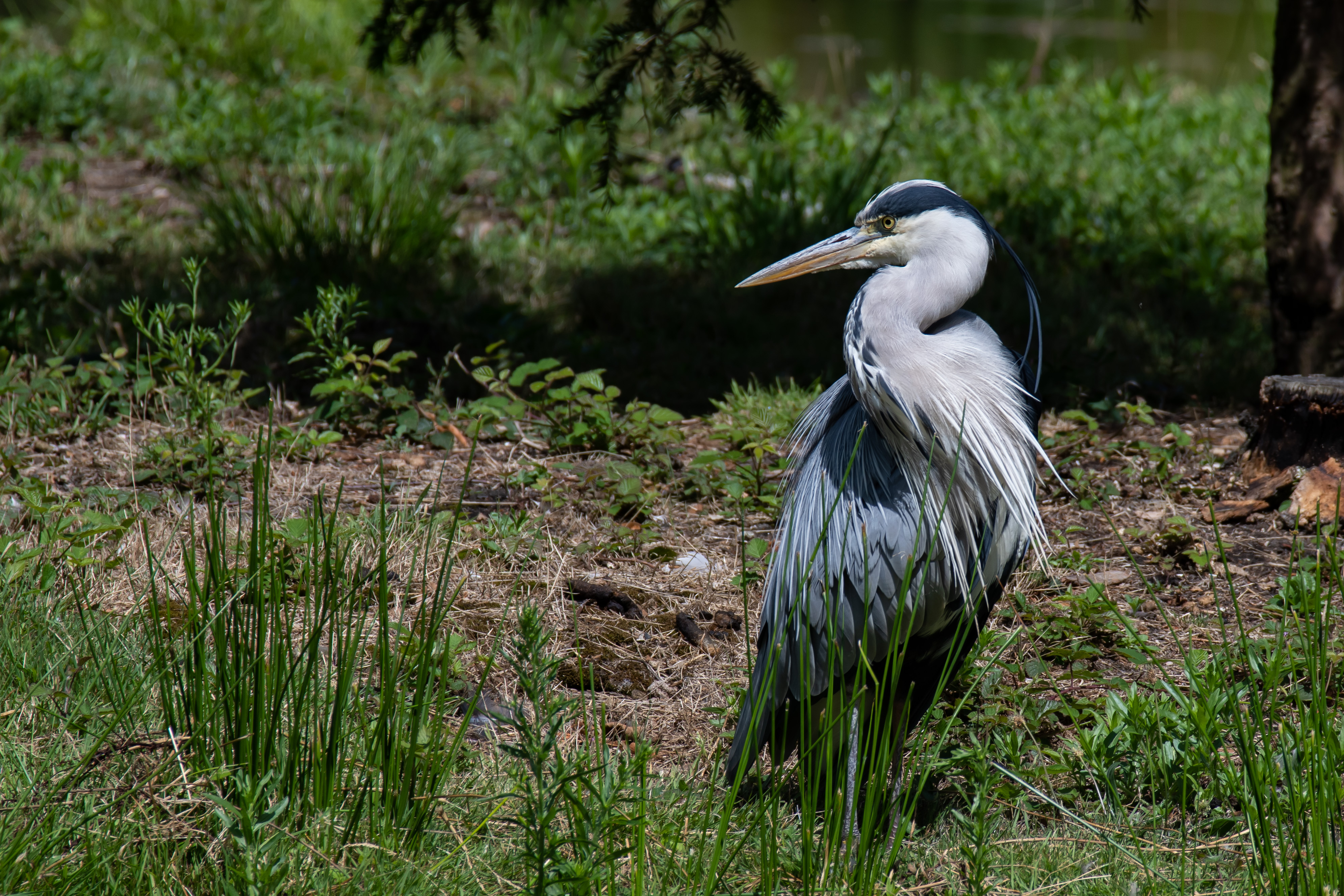
Grey Heron standing still at the water's edge
Back to Vi Natura

Vi Natura × BirdNET-Cloud · UK listening stations

Hear the birds around you.
Even when you're not listening.

Think Merlin but 24/7. A small Raspberry Pi and a microphone, tucked away in a garden, a shed or a hide. It listens day and night, identifies every call and song it hears, keeps the recording as evidence, and puts each detection on a dashboard you can see on your devices wherever you are.

24/7listening Birdsby day & night Freeno subscription
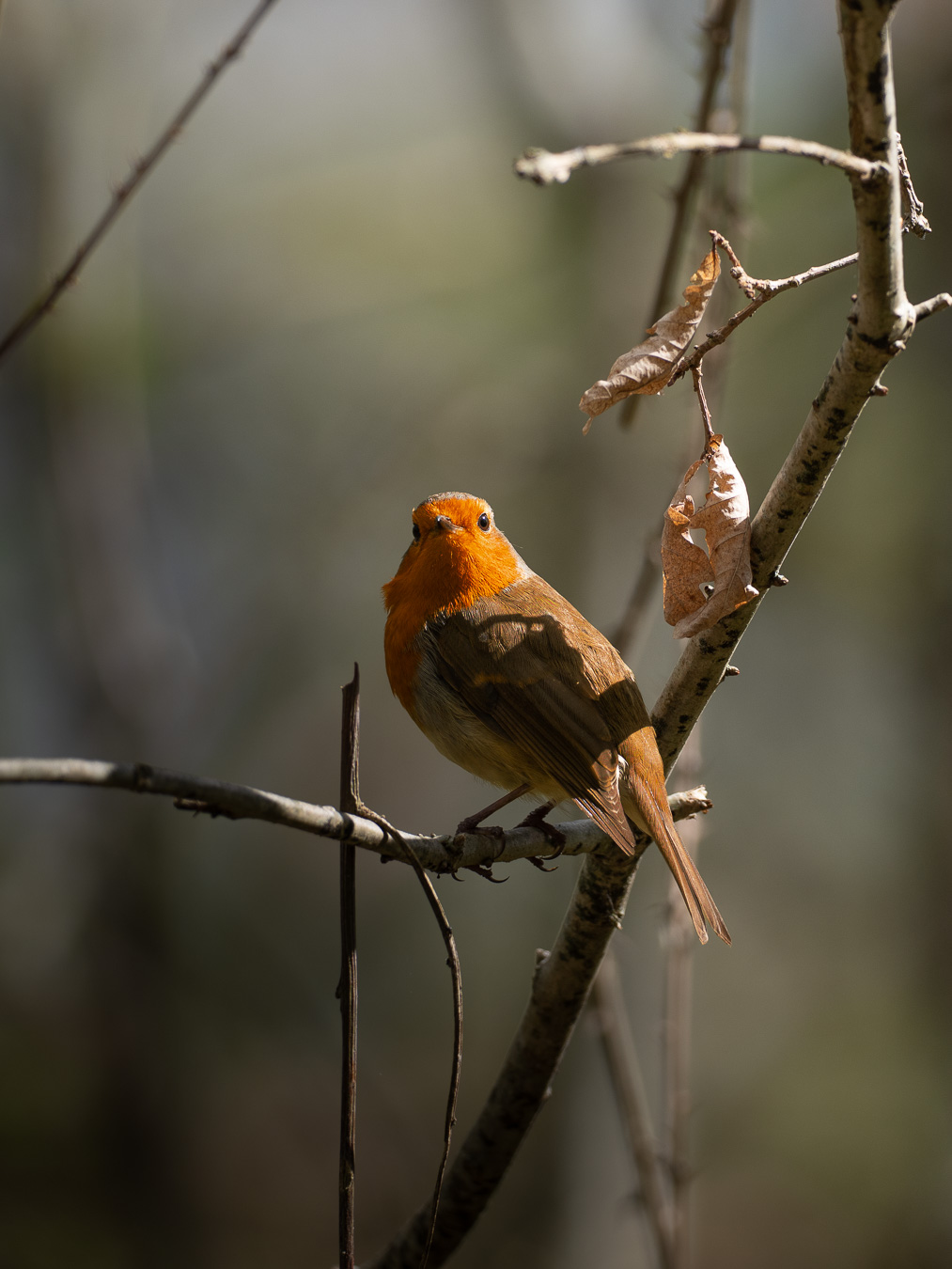
European Robin singing from a perch

A network of ears across Britain.

A camera catches a moment. A microphone left out overnight catches everything else.

Vi Natura is working with BirdNET-Cloud to place always-on listening stations across the UK's gardens, woodlands, wetlands and coastlines. Each one quietly records the birdsong around it, so we can learn who is really out there, when they sing, and how that changes through the seasons.

It's the same idea behind the photographs, immersion and patience, just carried on through the hours when nobody is in the hide.

Everything your station hears, in one place.

Watch detections arrive live, replay the audio, look at the spectrograms, follow each species through the day and check on your station from a phone, tablet or computer.

Always listening

Your station keeps working while you sleep, work, travel or simply step away.

See the patterns

Explore daily activity, species history, clips and spectrograms rather than losing detections in a list.

One network

Run one garden station or many across a reserve, and see them all together.

Share it

Publish a station with its own link for friends, classrooms, collaborators or supporters.

From a microphone in the hedge to a detection in the cloud.

Continuous bird monitoring made approachable, without hiding what's happening behind the scenes.

i.

Set up a Raspberry Pi

Flash the Pi, connect a microphone and follow the guided installation. Then find it a quiet spot outdoors.

ii.

Listen and identify

The station records around the clock and runs the BirdNET acoustic model locally to identify each call and song.

iii.

Explore from anywhere

Detections, audio clips and spectrograms appear in your BirdNET-Cloud account, ready to revisit.

Capture Identify Explore

Build the listening station you need.

Follow the dawn chorus from your garden, and the owls and night callers after dark. One small station, listening around the clock.

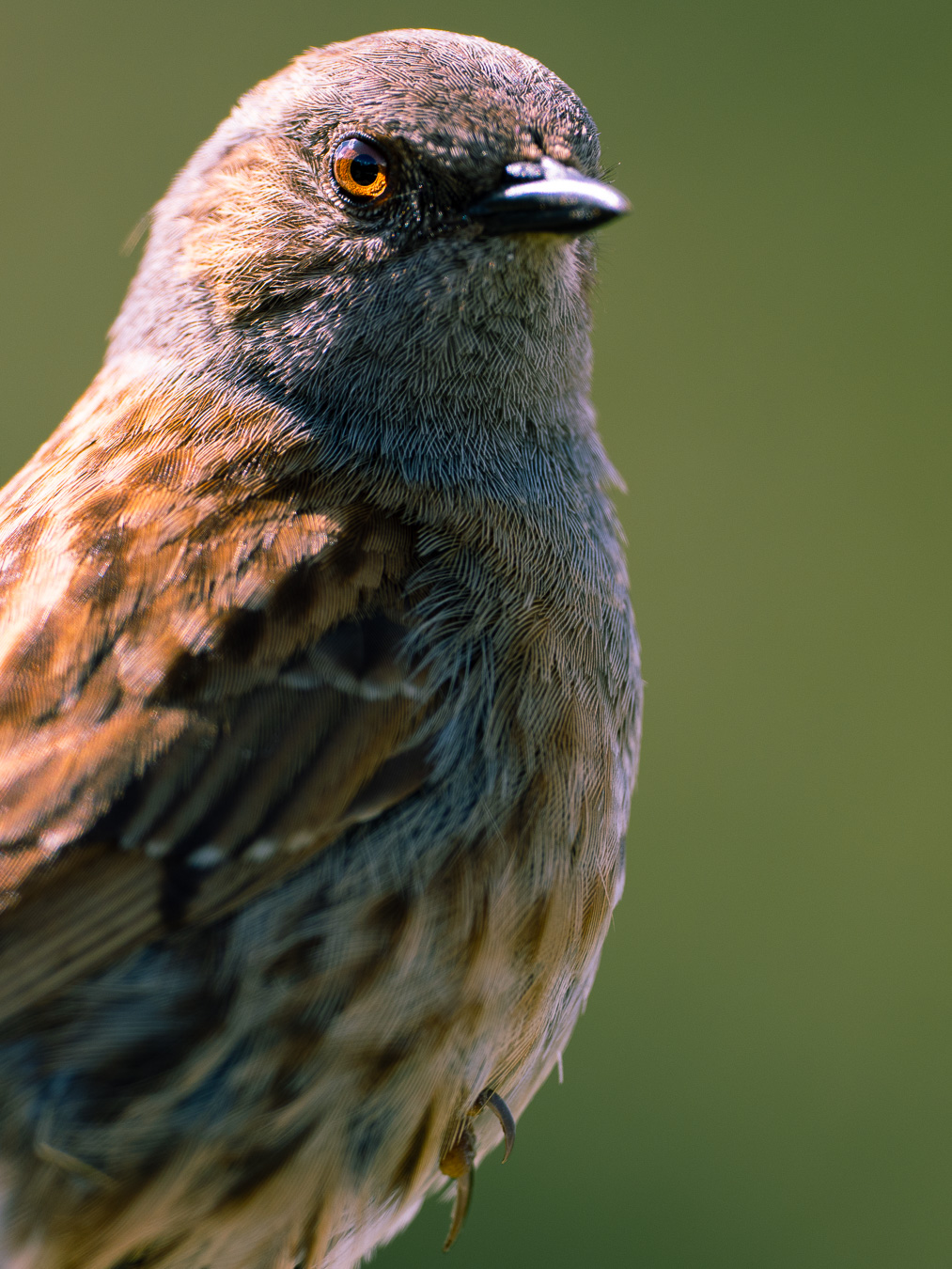
Dunnock in a hedgerow

Day & night

Bird Station

Continuous bird identification with a standard USB microphone and the BirdNET model. The simplest way to begin.

SongbirdsRaptorsGarden biodiversity

Now works with the Raspberry Pi Zero 2 W.

The most affordable way to start listening. Build a compact Bird Station using the tiny Pi Zero 2 W and send every detection to your BirdNET-Cloud dashboard.

~$30

Approximate build cost

See the installation guide

Hear what the stations are hearing, right now.

The public map joins individual listening stations into a much larger picture of bird activity. As the UK network grows, so does the picture.

Live network

See what our station has heard over the last few hours, follow each species through the day and listen to the recordings for yourself.

Explore our station

Keep the hardware. Bring your history. Move to the cloud.

Your existing Raspberry Pi and microphone can become a BirdNET-Cloud station. Import your detection history, keep your data off the SD card and reach your dashboard from anywhere.

See how migration works

What will you hear tonight?

We're looking for gardens, schools, reserves and landowners across the UK to host a listening station. If you'd like to be part of the network, get in touch. Or set up your own today with a free BirdNET-Cloud account.

Building your own? The full guide lives at PixCams.

Built on open conservation science.

Bird identification is powered by BirdNET, and nocturnal flight-call detection by Nighthawk. BirdNET-Cloud is an independent conservation project by PixCams and is not affiliated with or endorsed by the Cornell Lab of Ornithology.